Cost Optimization Strategies for Cloud SaaS Infrastructure
Cloud cost optimization isn't a finance problem, it's an engineering discipline most SaaS teams ignore until the bill lands. This post covers the specific strategies high-growth teams use to cut infrastructure spend by 30, 50%: visibility, rightsizing, automation, and the cultural habits that keep savings permanent.
Why Cloud Cost Creep Happens (And Why You Miss It)
Cloud cost creep is structural, not accidental. You provision for peak load, demand drops, and the instances keep running. Meanwhile, legacy dev environments, abandoned microservices, and forgotten test databases quietly accumulate charges for months before anyone notices.
The numbers are worse than you think. Over-provisioned instances routinely run at 10, 15% utilization while you pay for 100%. Reserved instances expire or sit unused because tracking their coverage fell between engineering and finance. Data transfer costs hide in cross-region replication and outbound API calls nobody expected. And the cloud bill grows 30, 50% year-on-year because ownership of cost visibility belongs to nobody in particular.
That last point is the real problem. When finance sees the bill as a line item and engineering sees it as someone else's concern, waste compounds silently. You don't need a spending catastrophe to get here, just a few months of normal growth with no cost governance in place.
The Flexera State of Cloud Report consistently shows that organizations waste over 30% of their cloud spend. That figure has barely moved in five years, because the tooling hasn't changed the underlying behavior.
Why Cloud Cost Optimization Matters Now
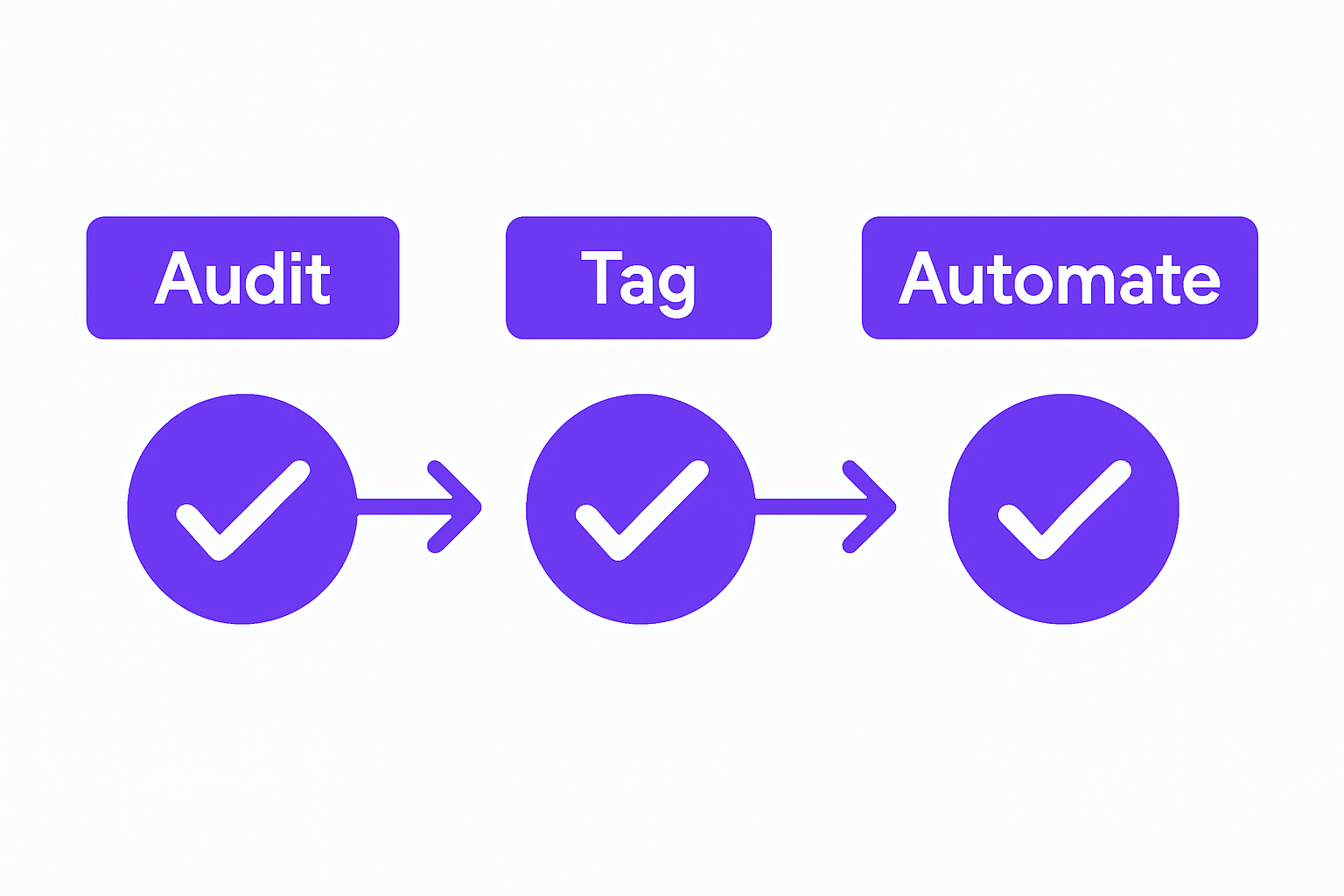
Cost optimization implementation phases from audit through automation
Cloud cost optimization matters now because the margin math has changed. A 15-person SaaS team wasting $50K, $150K annually in unoptimized infrastructure is burning the equivalent of one or two engineering hires every year. That's not overhead, that's strategic capacity you're giving to AWS or GCP for free.
Cloud providers don't flag waste. They profit from it. Optimization requires deliberate engineering discipline, and that discipline is increasingly non-negotiable. Gartner Infrastructure & Operations Leaders Survey data shows that cost optimization maturity is now a measurable proxy for operational health, the kind of thing investors examine before a Series B or C. High-growth companies face real pressure to demonstrate unit economics, not just revenue growth.
There's a structural reason async, remote-first teams are especially exposed. Infrastructure decisions happen in silos. Without centralized governance, duplicate resources and forgotten experiments multiply across environments, time zones, and teams. Competitive SaaS margins are thin enough that a 10, 15% infrastructure reduction directly extends your runway.
Three Core Pillars of Cloud Cost Optimization
Effective cloud cost optimization rests on three pillars: visibility, rightsizing, and elimination. Applied together, they convert a reactive spending spiral into a managed, predictable cost line.
Visibility and Tagging
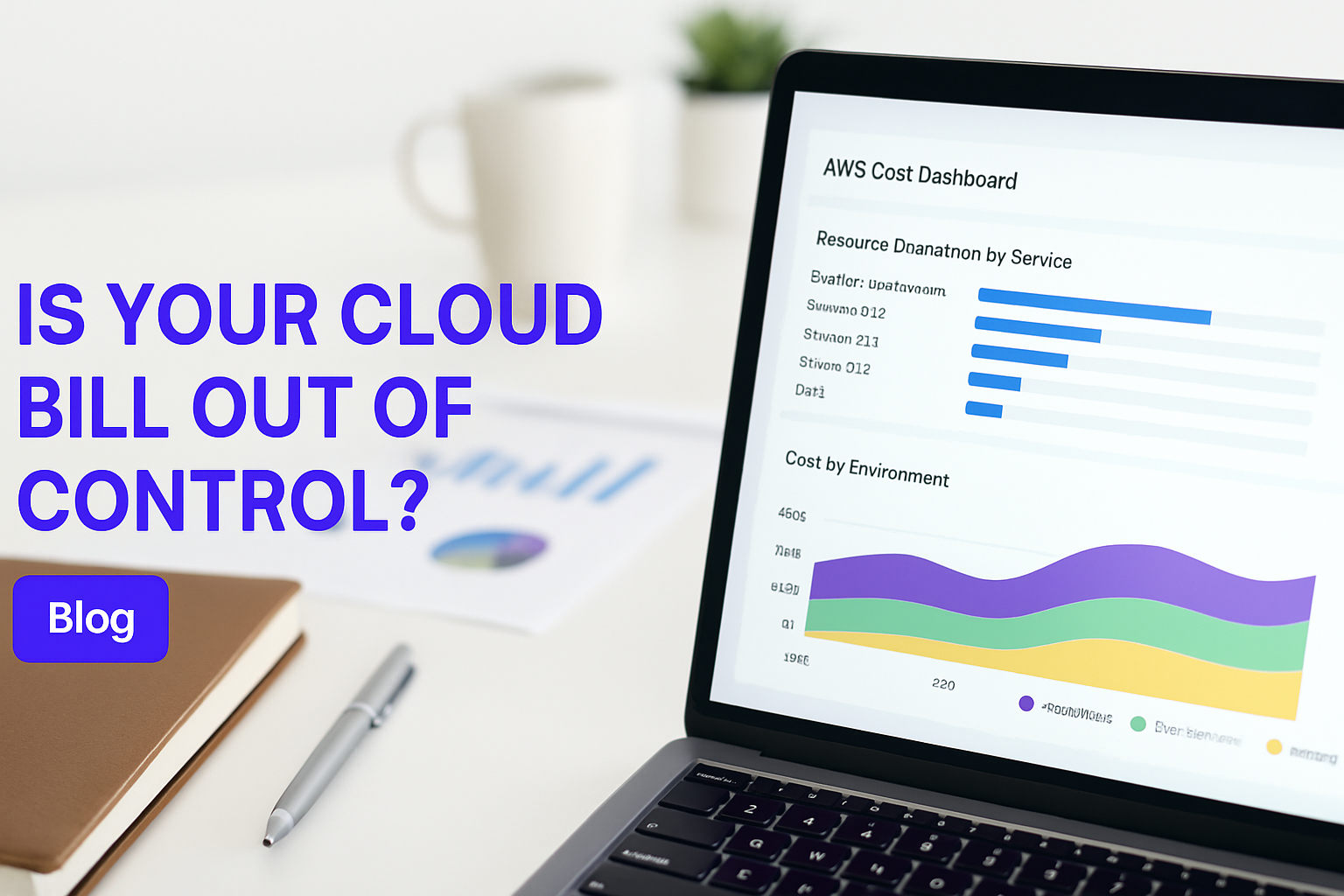
You can't optimize what you can't see. Tag every resource, owner, environment, project, cost center. Build dashboards that surface cost per team, per service, and per environment, not a single opaque bill that nobody can act on. Without this foundation, rightsizing and elimination are guesswork.
AWS Cost Explorer and GCP Billing are the starting tools here. They're native, they're free, and most teams underuse them. Start by pulling cost breakdowns by service and environment. You'll find surprises within the first session.
Rightsizing and Automation
Right-size instances to actual peak usage, not worst-case estimates. Most teams provision for the traffic spike that happened once in Q4 and never happened again. Auto-scaling groups, spot instances, and scheduled shutdowns for non-production environments fix this systematically rather than manually.
The key word is scheduled. Spinning down dev and staging environments at 6 PM and restarting them at 6 AM is a 12-hour daily savings window. On a cluster of mid-range instances, that single change can cut non-production spend by 40, 60%.
Elimination and Consolidation
Kill unused resources weekly. Consolidate databases, move cold data to cheaper storage tiers, retire legacy services, and use managed services instead of self-hosted where it reduces operational overhead. This is the least glamorous work and usually delivers the largest immediate savings.
The biggest wins rarely come from finding a cheaper instance type. They come from discovering that a $3,000-per-month service nobody uses has been running since a project that ended eight months ago.
Practical Implementation Patterns
A structured approach to cloud cost optimization runs in phases, not sprints. Here's how to move from chaos to systematic in eight weeks.
Week 1: Export your last 90 days of cloud spend using AWS Cost Explorer or GCP Billing. Identify the top 10 cost drivers. Bucket them by service and environment. This single step typically surfaces two or three immediate kills that pay for the entire effort.
Weeks 2, 3: Tag all resources systematically. Retroactively tag untagged instances, or spin them down and rebuild with proper tagging from the start. Establish a tagging governance policy for all new infrastructure. Without this, you'll be in the same position in six months.
Weeks 4, 6: Configure auto-scaling policies and schedule non-production shutdowns. Implement lifecycle policies for old snapshots and logs. This is where savings start compounding rather than being one-time.
Week 8 and beyond: Build or adopt cost-monitoring automation. Set alerts when spend crosses defined thresholds. Send weekly dashboards to stakeholders automatically. Make monthly cost reviews a standing ops ritual, not an emergency meeting.
Ongoing: Reserve instances on 1-year or 3-year commitments for predictable baseline workloads. Monitor cloud vendor pricing changes quarterly, AWS and GCP adjust pricing more often than most teams track.

Engineer reviewing infrastructure cost data at workstation
This phased approach is exactly the kind of systems work we implement at GroovyMark WebX when we're brought in to audit a team's infrastructure baseline. It's not complicated, but it requires consistent ownership, and that's where most teams fall short.
Ready to systematize your cloud cost monitoring?
Common Pitfalls and How to Avoid Them
The most common cloud cost optimization mistakes aren't technical, they're organizational. Here's what to watch for.
Chasing per-instance savings while ignoring architectural waste. Right-sizing a cluster of instances you don't need is still waste. Kill unused services and consolidate workloads before you tune instance sizes. Sequence matters.
Setting aggressive savings targets without engineering buy-in. If this lands as a financial directive from the CFO, engineers read it as a constraint on their work. Frame it as an engineering problem: reduce complexity, shrink blast radius, simplify the architecture. Engineers respond to that framing. They resist cost mandates.
Implementing controls so strict they slow experimentation. Ring-fence 5, 10% of infrastructure spend as a sandbox where teams can spin up experiments without scrutiny. If optimization feels like bureaucracy, engineers route around it.
One-time audits with no ongoing ownership. A cost audit with no follow-through is theater. Assign an engineer owner. Put cost review on the standing ops agenda. Make it a continuous process, not a project with a completion date.
Treating cloud provider recommendations as gospel. AWS and GCP recommendations are useful signals, not instructions. Validate every recommendation against your actual SLA and uptime requirements. The cheapest option isn't always the right one when reliability is on the line.
Next Steps: Engineering Your Cost Culture
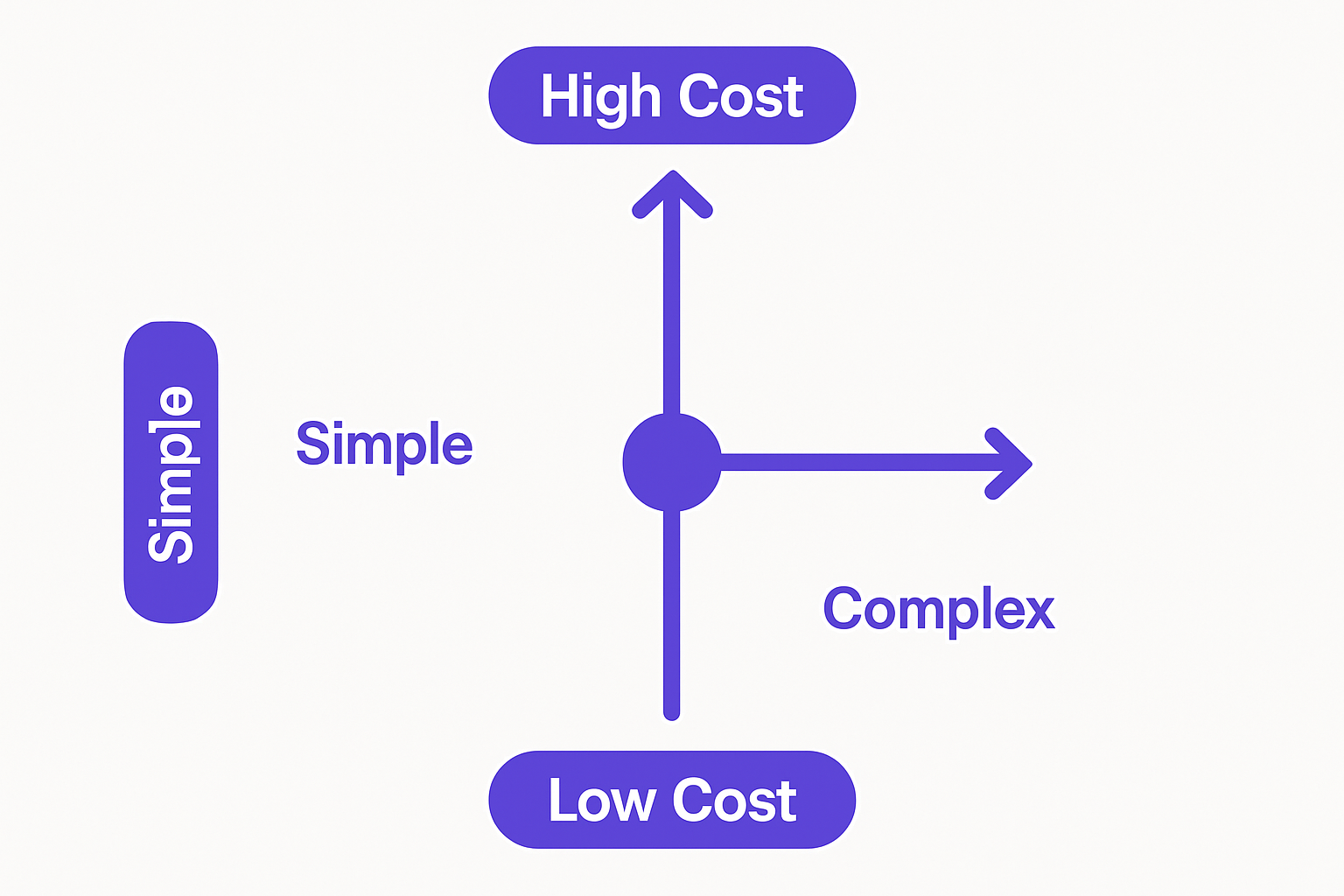
Cost-benefit analysis matrix for cloud architecture and service decisions
Sustainable cloud cost optimization becomes part of how your team builds, not a separate initiative you revisit every 12 months when the bill spikes.
Start this week. Export your last 30 days of cloud spend, break it down by service, and share it with your tech lead. Ask one question: "What's running that we don't need?" You'll get answers fast.
If you're managing cost visibility across fragmented tools or a distributed team, workflow automation is where the use is. Many teams we work with stitch cloud spend APIs into daily ops dashboards so cost data surfaces automatically, not buried in a billing console that nobody checks. Teams that work with GroovyMark WebX on custom automation workflows move from reactive scrambling to systematic oversight, with alerts, weekly reports, and anomaly detection running without manual intervention.
That kind of infrastructure doesn't require a big team. It requires the right architecture and the discipline to maintain it.
Cost culture isn't a finance initiative. It's an engineering habit. The teams that build it early, before Series B pressure, before the $200K bill that triggers a panic audit, have a measurable advantage in runway, margins, and investor conversations.
Let's talk about your cloud architecture and what a 90-day optimization baseline could look like for your team.
Let's audit your infrastructure baseline together.
Frequently asked questions
How much can we realistically save on cloud infrastructure?
Most SaaS teams find 20–35% savings in the first 90 days by eliminating waste and rightsizing. The largest wins come from killing unused resources, consolidating databases, and automating non-production shutdowns. Long-term savings (6–12 months) reach 30–50% when you rearchitect for cost alongside performance.
What's the difference between cost optimization and cost cutting?
Cost optimization is strategic: you cut waste, not performance. Cost cutting is reactive and often hurts reliability. GroovyMark WebX approaches this as an engineering problem—using automation and architectural discipline to eliminate waste while maintaining uptime and speed. Start with a conversation about your baseline and constraints.
Should we commit to reserved instances or use spot instances?
Reserve baseline, spot the spikes. Use 1-year or 3-year reserved instances for your consistent minimum load (e.g., database, API gateway), and layer spot instances for ephemeral workloads (CI/CD, batch jobs, auto-scaling groups). This hybrid approach cuts costs 40–50% vs. on-demand while keeping reliability high. GroovyMark WebX recommends this pattern across our infrastructure for all clients.
How do we prevent cost creep from happening again?
Automation and culture. Build cost visibility into your ops dashboard—use workflow automation to aggregate spend, alert on anomalies, and send weekly reports to the team. Make cost reviews a standing ritual (monthly) and assign an engineer owner. GroovyMark WebX integrates cost monitoring into our deployment workflows so teams stay aware without extra work.
What if we're already stretched thin on engineering—can we get help?
Yes. Many growing teams outsource infrastructure optimization to a partner who can audit, architect, and automate on your behalf. GroovyMark WebX specializes in this—we work with SaaS and service businesses to right-size cloud architecture, build cost-aware automation, and hand over a system that runs itself. Get a quote on a cost optimization engagement.